Start With the Property Owner's Consent
Before any listing moves forward, the property owner or authorised representative must agree in writing to the use of the wall, building face or freestanding structure. Without that consent, the advert cannot be treated as a valid space for booking. This applies whether the site is in Braamfontein, Sandton, Pretoria, Cape Town, Durban or Bloemfontein.
Our first check is simple: confirm who controls the property, what part of the surface may be used and whether there are any site rules that affect installation, lighting or maintenance. If there is more than one owner or a managing agent involved, we help keep the approval trail clear so the listing reflects the correct permissions.
- Confirm the owner or managing agent in charge of the site
- Check the exact wall, roofline or billboard structure available for use
- Record any site conditions such as access times or drilling limits
Understand the Municipal Bylaw Angle Early
Outdoor advertising is governed by local municipal bylaw requirements, and these can differ from one area to another. Some municipalities focus on size, placement, illumination, street visibility or heritage controls, while others may require a formal application before any sign goes up. This is why a site that works in one suburb may need a different process in another.
We help you plan around the likely approval path before artwork is printed or installation is booked. That reduces delays, wasted materials and last-minute changes. In busy areas like Johannesburg CBD or central Pretoria, the approval path can be more involved, so early checking matters. There are also practical issues around power cuts and access hours, especially for illuminated units and night work.
- Check whether the sign needs municipal approval before installation
- Review any limits on size, height, lighting or projection from the building line
- Allow time for planning around load-shedding, weather and contractor access
What We Check Before a Listing Goes Live
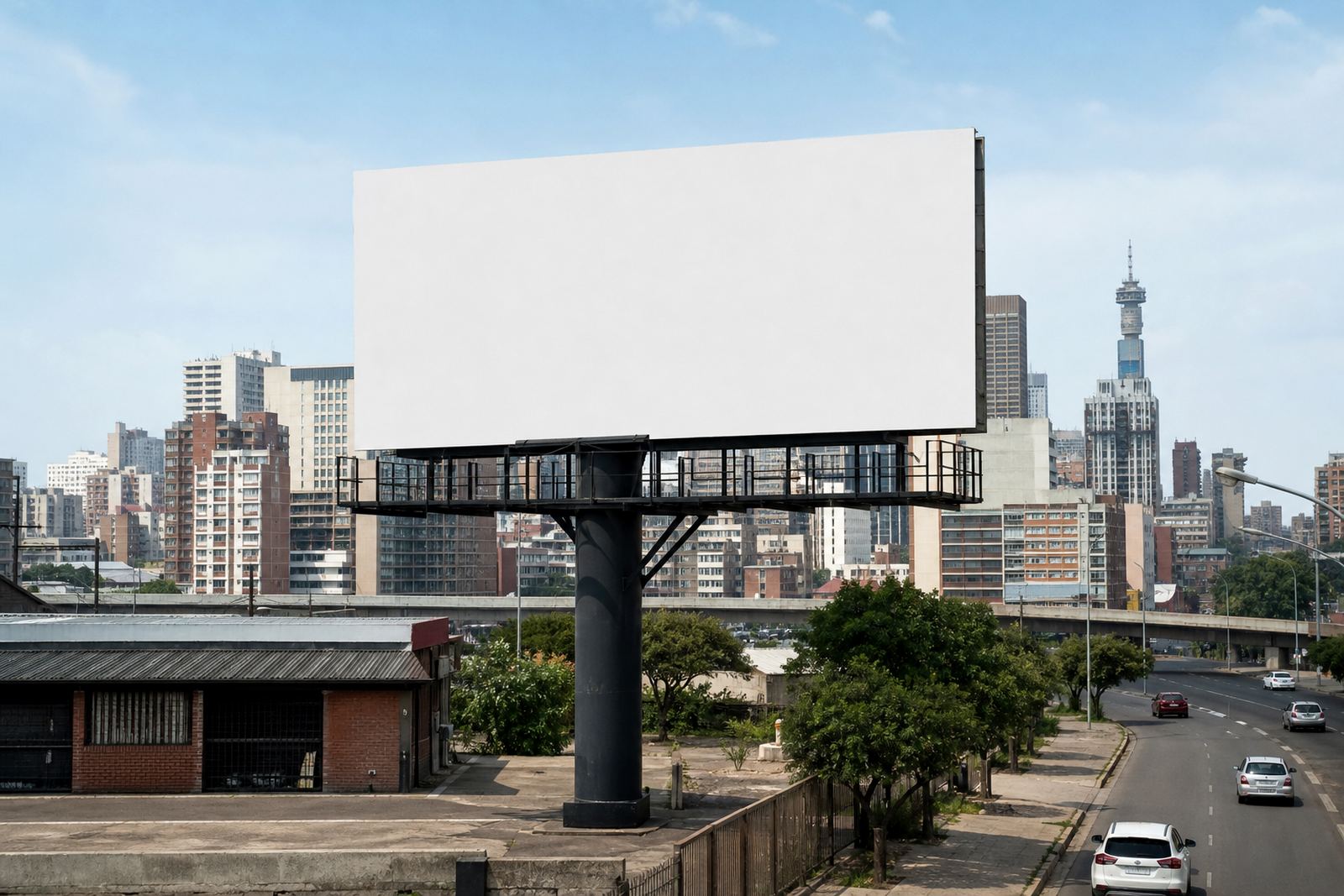
Every location should be screened for basic compliance points before it is offered to advertisers. Our process is built around the practical details that affect whether a site can be booked and used without avoidable setbacks. That includes the type of structure, the property use, the surrounding street conditions and whether the surface is suitable for outdoor display.
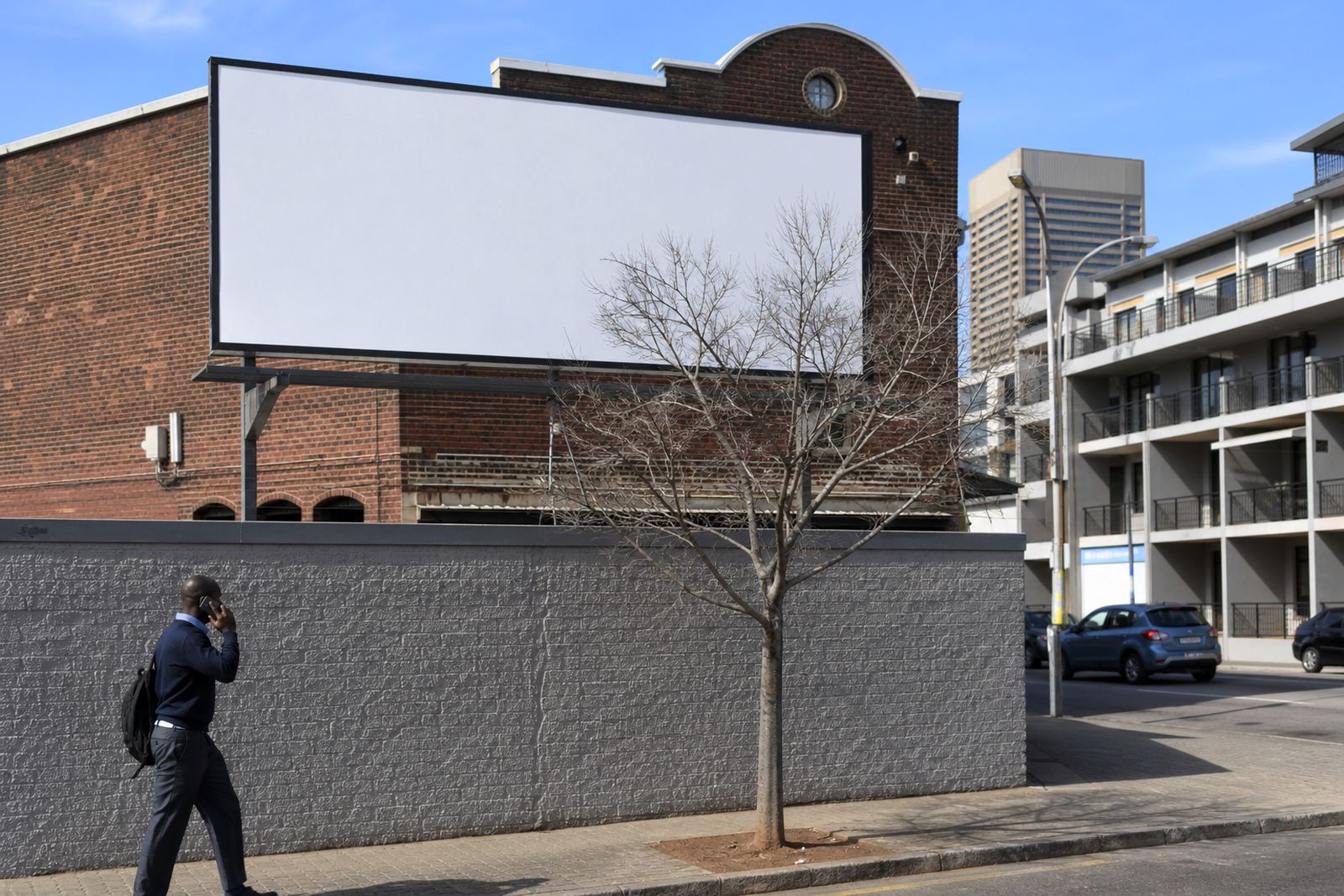
We also look at the paperwork trail. If a site has prior approvals, we note what was approved and whether it still applies. If it is a new opportunity, we flag the likely consent and bylaw steps so advertisers know what to expect. This is especially useful for wall space in mixed-use buildings and high-visibility roadside locations where municipal rules may be stricter.
- Surface type and condition
- Access for installers and maintenance crews
- Existing permissions or any restrictions already in place
- Need for municipal sign-off before booking can be confirmed
How the Approval Support Process Works
Our support process is straightforward. Once a space is identified, we gather the site details, check the owner consent status and review what local bylaw steps may apply. If the matter needs municipal input, we guide the next move so the right documents and drawings are prepared before time is lost.
We do not guess on approvals. Instead, we keep the process tied to the actual site and the local authority requirements that apply there. That means the advertiser and the property owner know where the application stands, what is still needed and what can be scheduled next. If changes are requested by the municipality, we help adjust the listing and plan the campaign around them.
- Site details are collected and checked
- Consent status is confirmed with the property owner
- Bylaw requirements are reviewed for that specific municipality
- Documents, artwork specs and installation timing are aligned
Artwork, Installation and On-Site Timing
Even when consent is in place, the campaign still needs to fit the physical and legal requirements of the site. Artwork size, fixing method, lighting and placement must match what was approved. In coastal cities like Durban and Cape Town, wind exposure and moisture can affect material choice, while inland sites may need extra care for dust or heat.
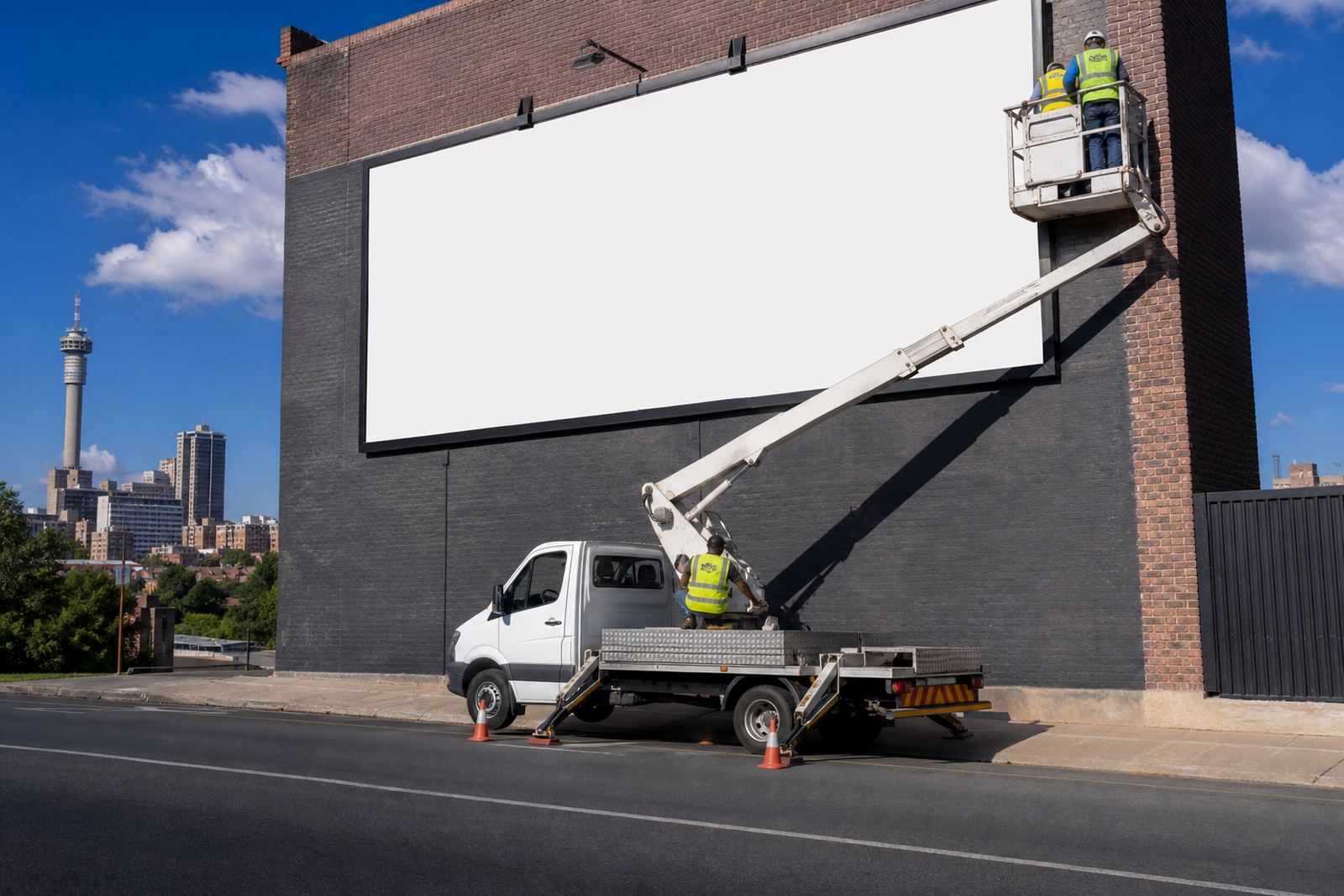
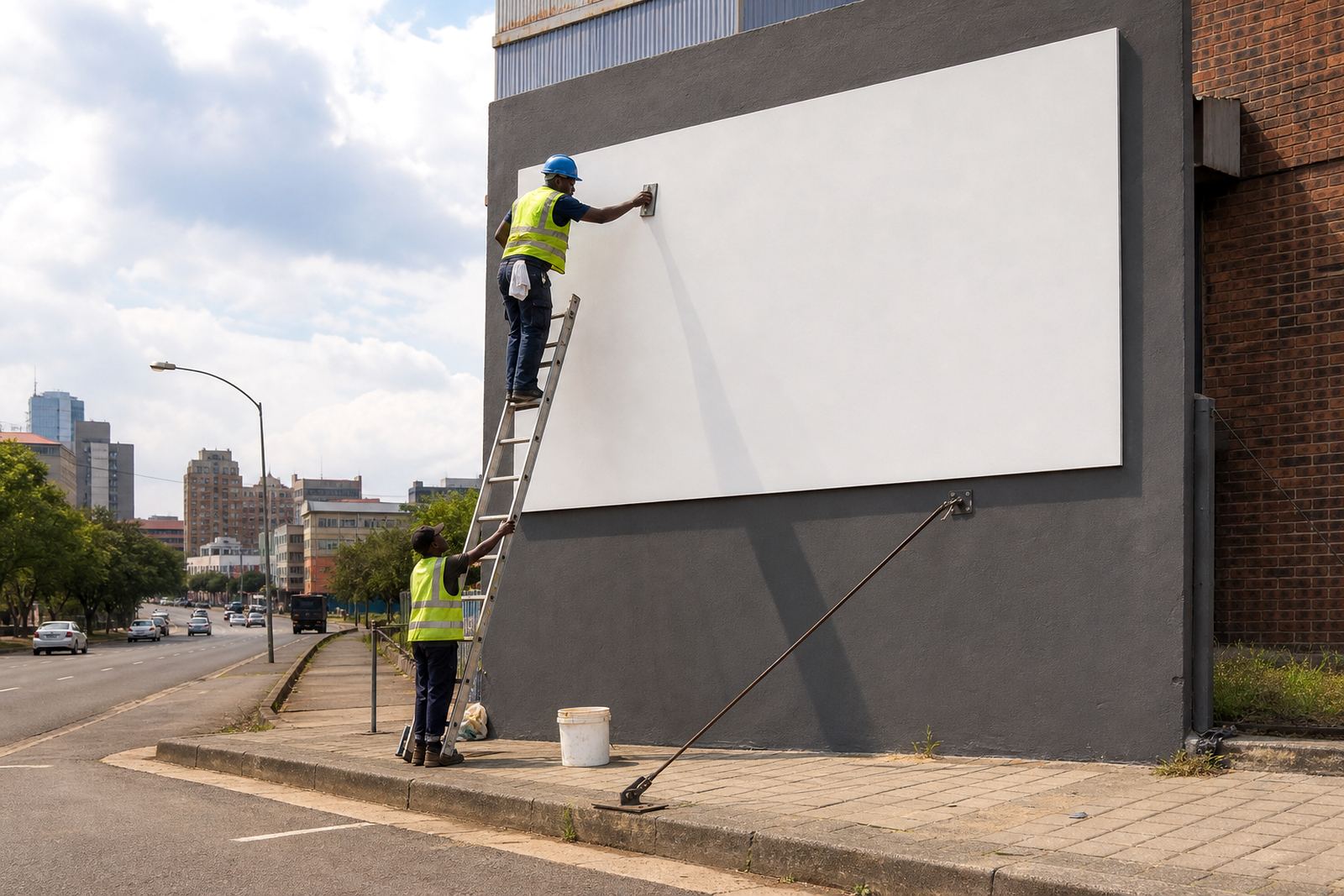
We also plan around practical site access. Some buildings only allow work during certain hours, and some areas need traffic or security coordination. If a sign is going onto a wall near a public pavement or a busy commercial strip, the installation may need tighter timing so it does not interfere with daily operations. A small mistake here can lead to delays, so the details matter.
- Match the artwork to the approved dimensions and fixing method
- Schedule installation for the correct time window
- Account for wind, rain, coastal humidity or access limits
Keeping a Campaign Compliant After Launch
Bylaw guidance does not stop once the advert is up. Some sites need ongoing checks to make sure the display still matches the approved setup and that no maintenance issue has developed. This can include faded vinyl, loose fittings, damaged lighting or changes to the building that affect visibility.
We support campaign monitoring and renewal steps so you can keep the site active without running into avoidable issues. If a listing needs to be renewed, updated or adjusted, we help confirm what still stands and what needs to be checked again. That gives both property owners and advertisers a cleaner process, especially where multiple campaigns are running across Johannesburg, Pretoria, Cape Town, Durban and Bloemfontein.
- Monitor the site for damage or changes in condition
- Confirm renewal requirements before the current period ends
- Review any new municipal or property-owner instructions